
As many Hyundai and Kia vehicles continue to accumulate mileage, the Hyundai/Kia 3.3L G6DH engine is increasingly appearing in engine rebuild programs and major timing system service jobs across the automotive aftermarket.
For engine builders, aftermarket repair shops, and parts distributors, the timing system has become one of the most important areas to address when servicing high-mileage engines. While the timing chain system is designed for durability, extended use and real-world operating conditions can eventually lead to component wear.
Understanding the common timing system issues associated with the G6DH engine platform can help rebuilders and service professionals perform more reliable repairs and reduce the risk of repeat failures.
Timing System Wear in High-Mileage G6DH Engines
Many vehicles equipped with the Hyundai/Kia 3.3L G6DH V6 engine are now reaching mileage levels where timing system service becomes increasingly necessary.
In high-mileage engines, several timing system components may begin to show signs of wear at the same time.
Engine builders and repair technicians frequently report the following conditions:
Timing Chain Elongation
Over time, timing chains can gradually stretch due to continuous engine operation. Even minor chain elongation may affect the synchronization between the crankshaft and camshafts.
When this occurs, engine timing accuracy may decline, potentially affecting performance and drivability.
Timing Chain Guide Wear
Timing chain guides are typically constructed from polymer materials designed to reduce friction and noise. After years of heat cycles and constant chain contact, these guides may begin to wear down or lose structural stability.
Guide wear can affect chain alignment and increase stress on other timing system components.
Hydraulic Tensioner Fatigue
Hydraulic timing chain tensioners rely on oil pressure and internal sealing components to maintain proper chain tension. As engines age, tensioner response can become slower or less consistent, particularly during cold starts.
This may lead to temporary slack within the timing system.
Cold-Start Timing Noise
One of the most frequently reported symptoms in high-mileage G6DH engines is a short rattling noise during cold engine start.
This sound is often associated with reduced chain tension or worn guides within the timing system.
For aftermarket repair shops, this type of noise is often one of the first indicators that a timing system inspection may be required.
Why Complete Timing System Replacement Is Common in Engine Rebuild Programs
In professional engine rebuild programs, many technicians prefer replacing the entire timing system rather than servicing only a single component.
This approach has become common among engine builders and remanufacturing specialists because timing components operate as an integrated system.
Replacing only the chain while leaving worn guides or tensioners in place may not fully restore system reliability.
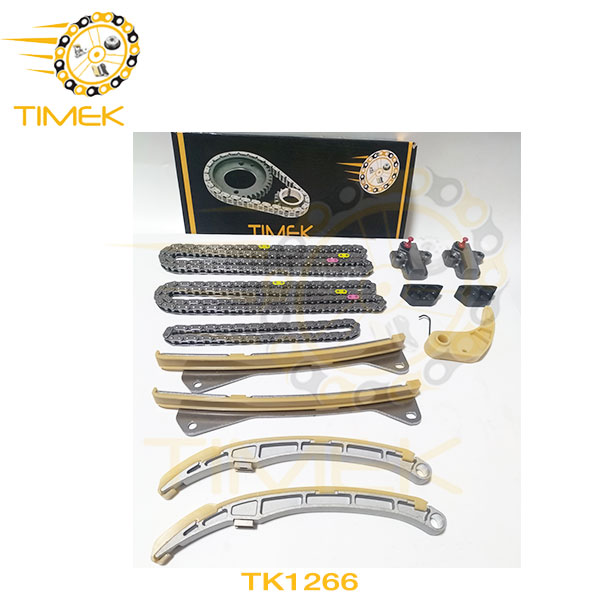
For rebuild applications, many technicians prefer installing a complete timing chain kit for the Hyundai/Kia G6DH engine.
A complete timing system replacement can provide several benefits:
Improved long-term durability
Renewing all wear components helps restore proper timing system operation.
Reduced risk of repeat repairs
Addressing the entire system minimizes the possibility that another worn component will fail shortly after the repair.
More efficient engine rebuild workflow
During engine overhaul, installing a complete timing kit is often more efficient than performing separate repairs later.
Because of these advantages, complete timing chain kits are widely used in engine rebuild programs and major timing system service procedures.
Timing Chain Kit Solutions for the Hyundai / Kia G6DH Engine
To support engine builders, aftermarket repair shops, and parts distributors, timing chain kits for the Hyundai/Kia 3.3L G6DH engine are designed to provide a complete solution for restoring timing system performance.
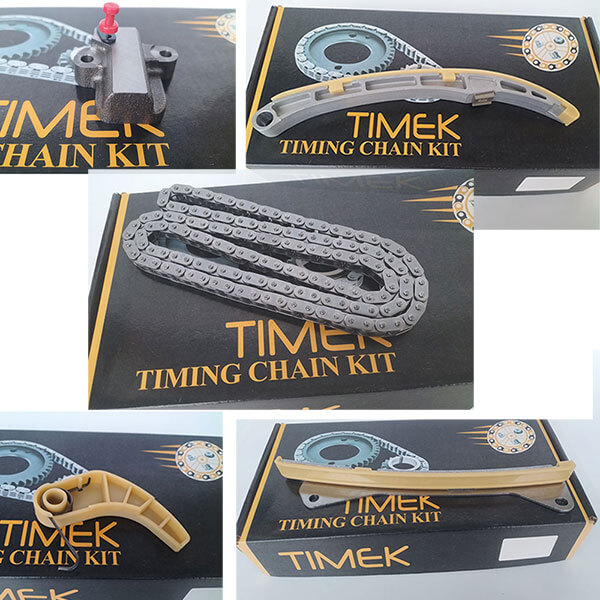
Typical timing kits may include components such as:
- Primary timing chains
- Timing chain guides
- Hydraulic tensioners
By renewing these components together, rebuilders can help ensure stable timing operation and improved durability after engine rebuild.
These kits are commonly used in:
- Engine rebuild programs
- High-mileage engine repairs
- Timing system service procedures
- Automotive aftermarket distribution
As the installed vehicle base continues to age, demand for timing system components for the G6DH engine platform remains consistent in the aftermarket.
Vehicle Applications Using the G6DH 3.3L Engine
The 3.3L G6DH V6 engine is used in several Hyundai and Kia vehicles that remain common in the global vehicle population.
Typical applications include:
- Hyundai Santa Fe
- Hyundai Azera
- Kia Sorento
- Kia Cadenza
Many of these vehicles are now reaching mileage ranges where timing system inspection, major service, or engine rebuild becomes necessary.
For engine builders and aftermarket repair shops, this means the platform continues to generate consistent service demand.
Ongoing Demand in the Automotive Aftermarket
Within the automotive aftermarket, timing system components remain essential service parts for engines entering later stages of their service life.
Vehicles with high-mileage engines frequently require timing system service as part of preventive maintenance or engine overhaul.
For distributors and parts suppliers, timing chain kits designed for engines such as the Hyundai/Kia G6DH support a wide range of service professionals, including:
- Engine rebuild specialists
- Independent aftermarket repair shops
- Fleet maintenance providers
- Wholesale automotive parts distributors
As more vehicles equipped with this engine platform accumulate mileage, timing system components will continue to play a key role in engine rebuild and repair programs.
Post time: Mar-17-2026